
- Understand whether your project needs a building permit and how zoning, planning, and building codes affect approval.
- Learn the full building permit process, from preparing compliant plans and applications to inspections and occupancy approval.
- Discover common reasons permits are delayed—and how digital compliance checks can speed up reviews and reduce resubmissions.
Building Permit Process Snapshot:
- Determine if your project needs a building permit
- Define your project scope and intended use
- Check local zoning, planning, and building regulations
- Prepare detailed, compliant plans and documents
- Assemble your building permit application
- Submit your application and pay fees
- The building permit review and approval process
- Receive your building permit
- (Post-permit) Complete inspections during construction
- (Post-permit) Final inspection and occupancy approval
Launching any building project—whether a new development, extension, or major renovation—usually requires a building permit. While permitting ensures safety and regulatory compliance, it’s also a common source of delays, unexpected costs, and confusion for property owners and developers.
The building permit process is more than just filling out a form. It can take weeks, months, or even longer in some locations and requires understanding your project scope, the local zoning and building regulations, and the construction plans. Unclear drawings, non-compliant designs, and missing documents can cause major delays.
This guide walks through how to get a building permit step by step. We also cover common reasons building permits are delayed and how digital compliance checks help streamline approvals and reduce resubmissions.
Building permit requirements vary between councils and jurisdictions, but understanding the process improves your chances for a fast, smooth approval.
What is a Building Permit?
A building permit is an official local government approval that allows work to begin on constructing, altering, and demolishing a structure. Building permits are required to ensure that construction projects comply with local building codes and zoning and safety laws.
Qualified certifiers review a building permit applicants’ construction plans to make sure they meet community standards. They look at how the building is constructed: its structural integrity, accessibility, fire safety, and other building code compliance issues.
The building permit process is not the same thing as planning or development approval. Planning permits are a separate process that consider what can be built based on land-use policies and zoning laws. If planning approval is required, it should be granted before applying for a building permit.
Failure to attain the proper permits may result in fines, stop-work orders, expensive rework, or forced changes to your construction plans. Not getting a permit could also cause problems with selling or insuring the property. Follow these steps to attain a building permit the right way, so your project can go off without a hitch.

Even accessory dwelling units (ADUs) often require a building permit.
Step 1: Do You Actually Need a Building Permit?
Not every construction project requires a building permit, but it’s a common mistake to assume you don’t need one. Typically, building permits are needed for new construction and for altering a building’s structure, safety systems, or essential services.
To avoid unwanted consequences, confirm with your local building authority before starting work. These agencies go by different names, such as Department of Building & Safety or Department of Construction & Inspection. A simple web search for “[city name] building permits” should steer you in the right direction.
Projects that generally require a building permit:
- New residential, commercial, or industrial buildings
- Structural additions or extensions
- Renovations that affect load-bearing elements
- Electrical, plumbing, or fire safety system upgrades
- Renovations that impact accessibility or egress
Projects that may not require a permit:
- Minor cosmetic renovations such as painting or flooring
- Non-structural internal alterations
- Certain small ancillary structures
Step 2: Define Your Project Scope
Before applying for a building permit, clearly define the parameters of your project. This information directly affects which regulations apply. Defining project scope helps to ensure your application is robust, and to prevent misclassification, incomplete applications, and unwanted revisions.
Define:
- The type of work: A new build, an extension, or a renovation?
- The intended use: Residential, commercial, industrial, or mixed-use developments?
- Project location: Local zoning, overlays, and land use controls affect what is permitted.
- Size and complexity: The larger and more complex a project, the longer review times typically take. Provide detailed documentation to facilitate a smoother permit review.
Also consider your local authority’s policies on temporary works during construction: site access arrangements, temporary accommodation, fencing, tree removal, and so on. These factors may require additional approvals or permits.
Step 3: Research Local Zoning, Planning, and Building Regulations
Before applying for a building permit, it’s essential to understand which of your local municipality’s planning controls, zoning laws, and building regulations apply to your site and proposed development.
Zoning laws govern land use, for example, limits on building height, setbacks, site coverage, and allowable uses. Building codes instead cover construction standards like structural and fire safety, accessibility, and energy efficiency.
Look for your local building authority’s requirements online, including:
- Applicable zoning controls and overlays
- Building code requirements
- Permits needed for your project
- Submission standards and documentation checklists
If you’re uncertain about any of the above, try to speak directly with the building department before submitting your application. It will be worth the early investment of time if it prevents misunderstandings that may delay the application review or force redesigns and resubmissions.
Step 4: Prepare Detailed, Compliant Plans and Documents
Next, prepare detailed construction plans that comply with all applicable requirements. Building authorities commonly require a licensed architect, building designer, or engineer to prepare or review the application. That helps ensure that documents align before submission, which helps reviewers assess them efficiently. Even minor discrepancies in plans can cause permit delays or follow-up requests.
Typical documentation includes:
- Site plans showing boundaries, setbacks, access, and services
- Floor plans and elevations
- Clear, consistent, accurately labeled structural drawings and engineering certifications
- Electrical, plumbing, and fire safety layouts
Step 5: Assemble Your Building Permit Application
A well-prepared building permit application significantly improves the approval process; incomplete or inconsistent submissions are common cause for delays or rejections. Before submitting, double-check that you’ve included all the required documents with accurate, up-to-date information.
Most building permit applications include:
- A completed application form
- Construction plans and technical drawings
- Supporting documentation, such as proof of ownership, contractor licensing and insurance, and specialist reports where required

City Hall in New York City, New York.
Step 6: Submit Your Application and Pay Fees
With your application prepared, you can submit it for assessment in-person at your local permitting office, or many municipalities now offer online submissions.
At this stage, you’ll need to pay the applicable permit fees, which vary widely depending on your project’s size, location, and complexity. Fees typically cover application processing, plan review, and inspections during construction.
If your local building authority uses a digital compliance-checking tool, such as Archistar AI PreCheck (formerly eCheck), it automatically assesses applications for regulatory compliance before manual review. Digital pre-checks can identify issues early and let your correct them before the formal assessment begins.
Step 7: The Building Permit Review and Approval Process
Building surveyors or certifiers review a submitted application for compliance with applicable codes and regulations. Input from multiple departments may be required.
If the building authority finds discrepancies in your building permit application, it may request additional information or revised plans. Respond promptly and thoroughly to any requests to keep the process moving. Approval can take a few weeks to several months. In areas where building permit delays have become chronic, it can even take longer than a year, which is why AI solutions for permitting are critical for modernizing building approvals.
During the review process, assessors will evaluate:
- Structural integrity and safety
- Fire protection and egress
- Accessibility requirements
- Compliance with local planning controls
Common Reasons Permits Get Delayed
Early compliance checks and clear documentation help to avoid delays due to issues identified late in the review process.
Common causes of building permit delays:
- Missing or incomplete documentation
- Inconsistencies between drawn and written information
- The designs don’t meet zoning or building code requirements
- Unresolved planning approvals or conditions
- Backlogs caused by manual compliance checks
(Learn more about avoiding the common pitfalls in building permit compliance.)
Step 8: Receive Your Building Permit
Once it verifies that you’ve met all the requirements, the building authority will issue your building permit: legal permission to commence construction according to the approved plans.
Building permits often include specific conditions, such as mandatory inspections, limitations on construction methods, or requirements to notify the authority at key stages. Review them carefully and follow them throughout the build.
Construction work must align with the approved documentation. Design changes may require additional approval.
Step 9: Inspections During Construction (Post-Permit)
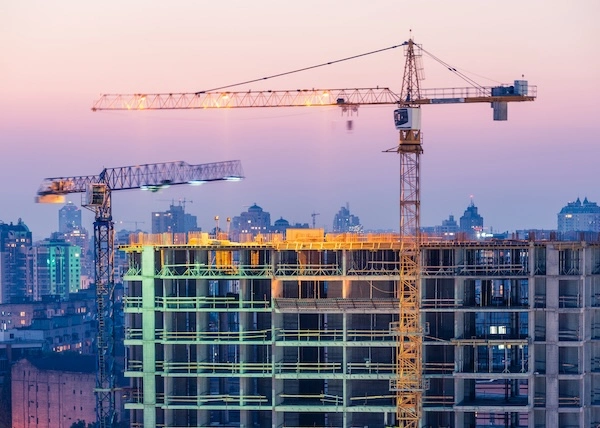
The building department carries out inspections at critical milestones during construction to verify that work is following the approved plans.
You should schedule inspections in advance, and not proceed to the next stage until passing inspection. Failed inspections can cause additional delays and costs.
Typical inspection stages:
- Footings and foundations
- Structural framing
- Electrical and plumbing installations
- Fire safety measures
- Final completion
Step 10: Final Inspection and Occupancy Approval (Post-Permit)
Following construction, a final inspection confirms that the project complies with the approved permit and all codes. If it’s all clear, the building authority will issue a Certificate of Occupancy or Certificate of Completion, which confirms that the building is safe and legally approved. Using a building without final approval can affect the ability to insure or sell the property, as well as result in penalties.
How Digital Compliance Checks Speed Up Approvals
Traditional building permit reviews rely heavily on time-consuming manual assessments, which can be prone to bottlenecks. However, digital compliance tools—often powered by AI data analysis—are available to support faster and more consistent reviews.
An automated system like Archistar AI PreCheck instantly evaluates your building permit submissions for code compliance early in the process. Submitters have the opportunity to correct discrepancies by modifying and resubmitting their applications before formal review.
This reduces back-and-forth between applicants and building departments, for faster permit reviews and more overall transparency. With digital compliance checks, municipalities enjoy greater efficiency and consistency, while applicants reduce the risk of delays and unexpected redesigns.
Obtaining a building permit can be a complex process, but thorough preparation, clear documentation, and early compliance checks significantly improve the experience. The better you understand the specific local requirements, the better your chances for an efficient building permit approval. If your local planning department does not yet use digital compliance-checking tools, consider recommending a demo of AI PreCheck, so they discover how it streamlines the building permitting process for both applicants and reviewers.
This article is revised and updated from its original version published on March 21, 2024.