
- Archistar has identified 1,991,452 established residential sites across Australia where zoning already permits additional housing and comparable developments have been built nearby.
- Those sites could deliver 3,570,458 additional dwellings: a 31% increase in the national housing supply.
- Another opportunity exists in the 2,469,477 lots that could accommodate a granny flat; however, recent tax reform did not count them as incentivized new supply.
Sydney, New South Wales – Sometimes the new housing capacity that many are looking for comes from neither greenfields nor brownfields, but rather something in the middle.
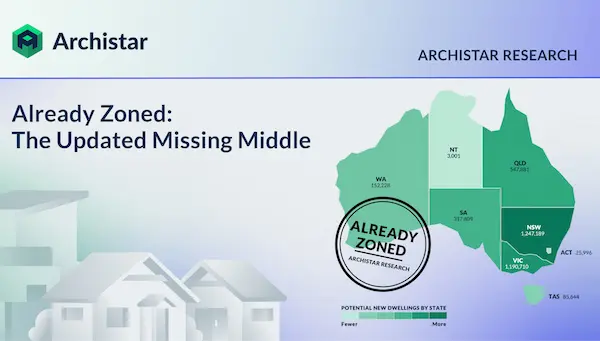
For a new report that’s now available, Archistar analyzed every established single-dwelling site in Australia for the potential to add housing. On approximately 1.99 million residential sites where zoning rules already permit additional housing, an estimated 3.57 million additional dwellings could be built. Doing so would increase Australia’s national housing stock by 31%, measured against the Australian Bureau of Statistics’ March 2026 numbers.
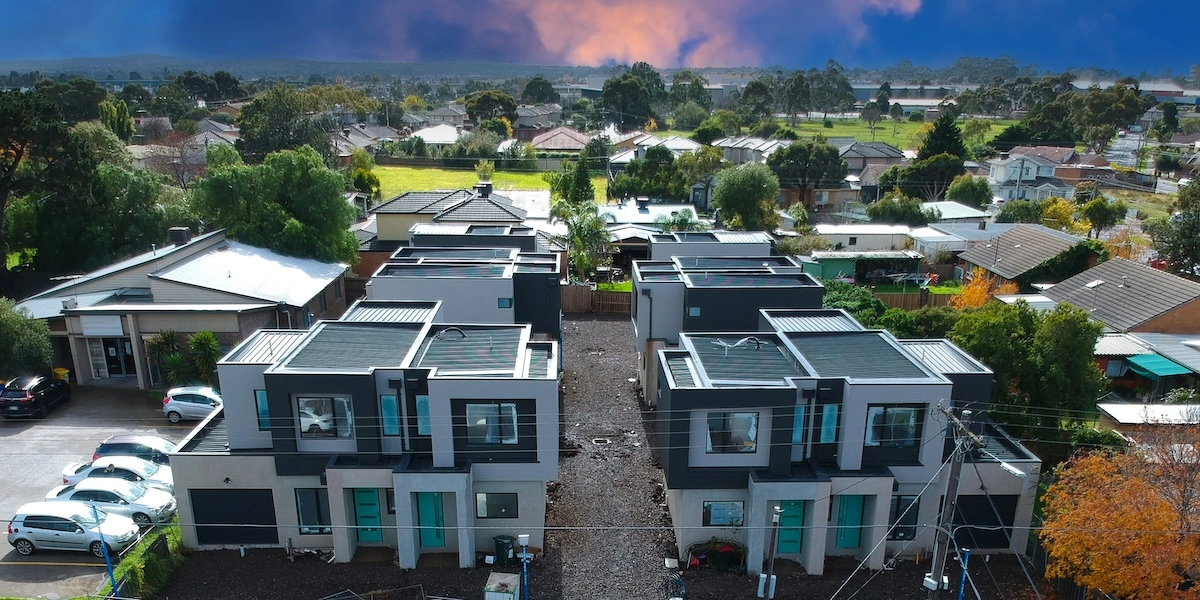
Archistar’s report, Already Zoned: The Updated Missing Middle, assesses the substantial housing capacity available in Australia’s middle-ring suburbs that sit between the urban-center apartment towers and dwellings on the fringe of populated areas. In this “missing middle,” major housing capacity exists in already-developed residential zones with roads, schools, shops, and services already built.
Due to Australian tax reform passed in 2026, concessions that once applied to buying an established home now apply only to housing that adds to supply. As the report details in depth, tax laws now incentivize creating homes rather than trading them. And most of the potential to take advantage of that while increasing housing supply resides in the areas that Archistar has identified.
Many Types of Potential Housing Sites
Large pockets of missing middle housing capacity exist both in the highest-populated Australian states, and in the lower-density regions of the country.
For example, Australia’s three most populous cities, Sydney, Melbourne, and Brisbane, hold the combined potential for almost 1.8 million net new dwellings throughout their greater metropolitan areas. Yet the regions of Australia outside of its eight capital cities account for 41.4% of all identified development sites, despite housing less than a third of the population.
The missing middle opportunities identified in Already Zoned span a range of development sites. Those sites likely going from one dwelling to two-dwelling sites represent 44.7% of the potential sites nationwide (and 88.6% of sites in Canberra). Meanwhile, 15.5% of sites nationwide are capable of supporting six dwellings or more, which is the case specifically for 33.4% of sites in Sydney. The average across all potential development sites is 2.8 dwellings.
In most of the areas we have mapped, the zoning already permits more homes, and something comparable has already been built nearby. The interesting question is what sits between that capacity and actual delivery. In a lot of markets the assessment pathway appears to be a bigger part of the answer than the land itself.
The Granny Flat Opportunity
Another large pool of capacity comes from the 2,469,477 lots that could accommodate at least one “granny flat,” also commonly known as accessory dwelling units (ADUs) in other parts of the world. Of those lots, 804,229 lie within two kilometers of a train station, and 753,725 are close to a hospital.
However, under Austalia’s new tax rules, granny flats are not treated as additional dwellings, so they don’t garner the capital gains tax discount. It’s Archistar’s position that this should be reconsidered. Granny flats are among the quickest and least expensive additions to housing stock, and many sit where essential workers face the sharpest rental pressure. Along with putting appropriate guardrails in place, including granny flats in the latest tax incentives could ensure that they genuinely reach the renters who need them and who benefit from their proximity to essential services.
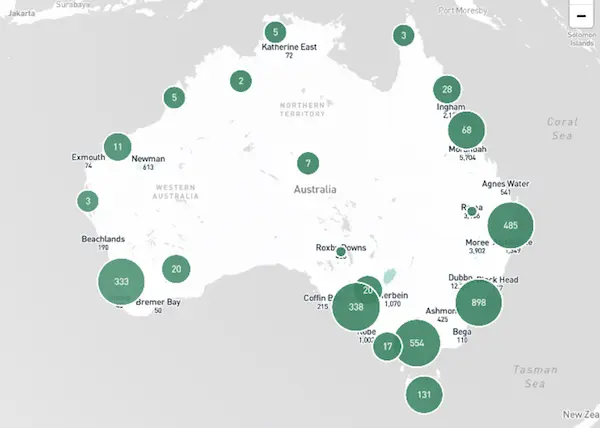
A view of the interactive map from Archistar's report, Already Zoned: The Updated Missing Middle.
Learn More and Read the Report
Already Zoned: The Updated Missing Middle is available now, as is an interactive map of development potential at the suburban level. This report measures planning capacity; it is not a construction pipeline, nor does it test financial feasibility. Most sites will still require council consent.
How much of the identified housing capacity is delivered depends on how small-scale proposals are assessed. The report sets out measures applied in other jurisdictions as options for consideration: a statewide deemed-to-comply pathway for two-to-four dwellings, pre-approved design libraries, developer contributions deferred to occupancy, and a fast-track for headworks approvals.
To go deeper, join us for “The Missing Middle: Where Are Australia’s Next Development Opportunities?” a webinar on Wednesday 7 October at 1pm AEDT. It will cover where the opportunities are concentrated, what the data shows at state and local levels, and what the findings mean for developers.