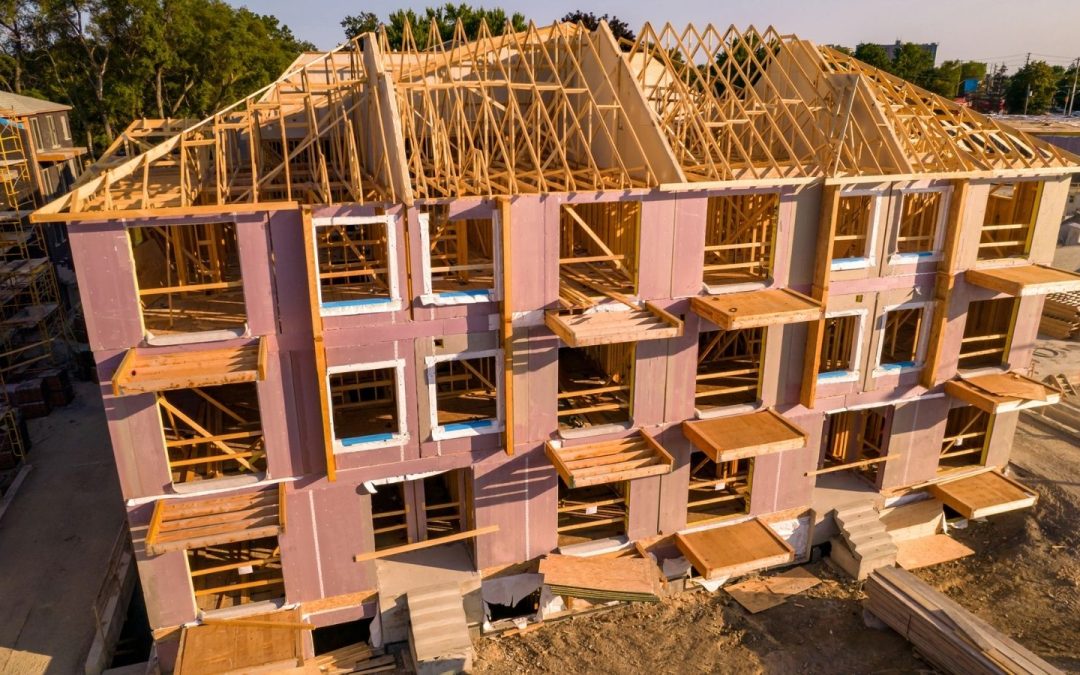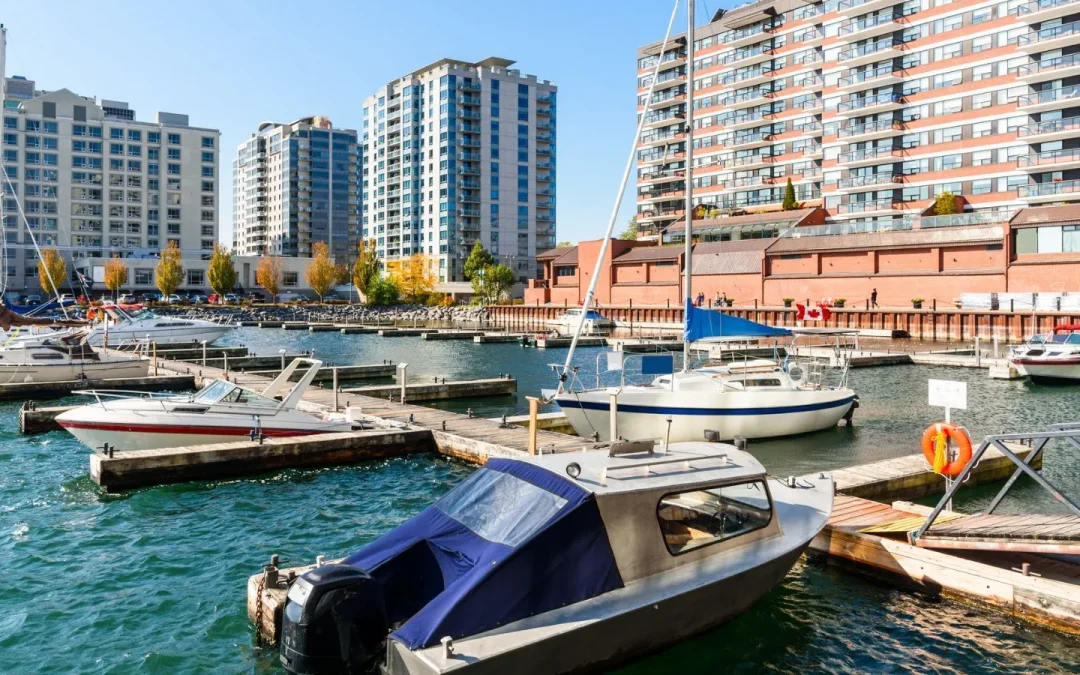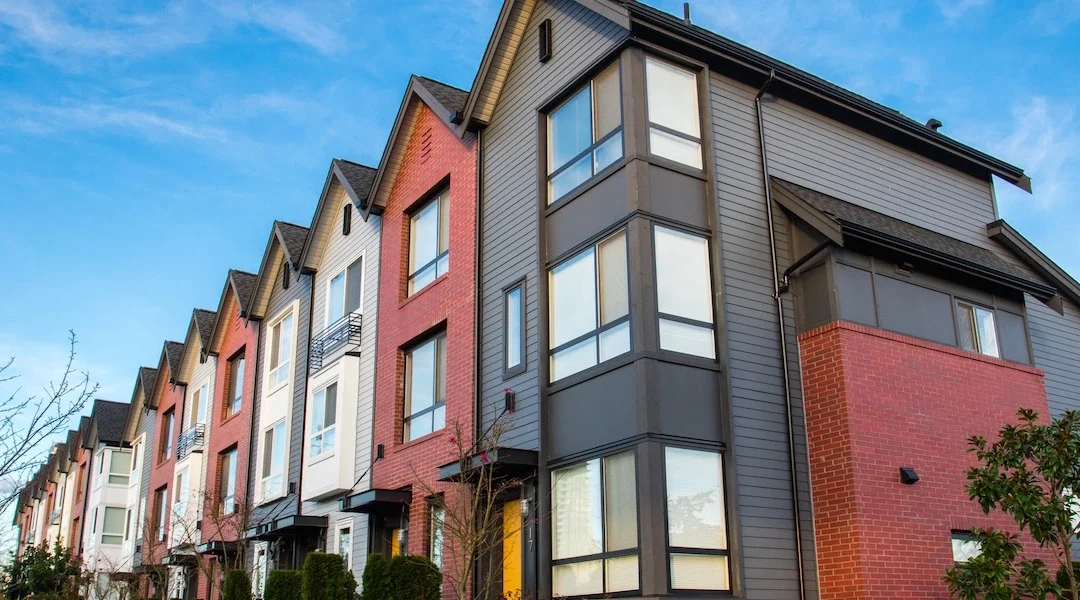

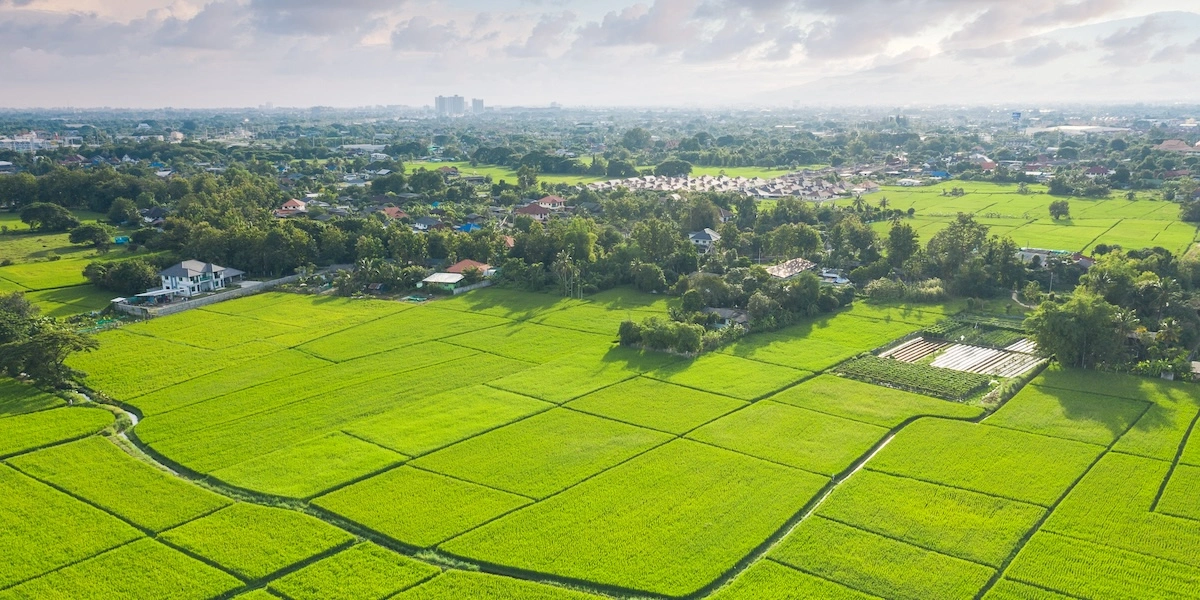
Greenfields are previously undeveloped land sites that can be built up from scratch. They usually offer layout freedom and simpler early construction assumptions.
Brownfield sites are previously used. Their redevelopment may involve actual or potential contamination. However, they often win on location, access to infrastructure, and revitalization. They may look cheaper on paper but could carry higher unknown costs.
Rather than decide which is “better,” decide which risks you’d rather manage: servicing/ overlays/distance (greenfield) or latent conditions/remediation/legacy constraints (brownfield).
Teams benefit from a repeatable shortlist: Compare constraints, run feasibility checks, and escalate due diligence only for top candidates.
The choice between a greenfield or brownfield site could change nearly everything for your real estate project. It affects timeline certainty, servicing costs, approvals risk, community outcomes, and long-term value. The trade-offs between greenfields and brownfields are real and measurable, whether for city planners revitalizing underused corridors, developers weighing due diligence risk, architects working through constraints, or enterprises assessing portfolio exposure.
This guide covers the practical differences between greenfield and brownfield land development sites. It includes a simple decision checklist you can use to shortlist sites faster, as well as the due diligence basics typical to the United States, Canada, and Australia. If you’re screening multiple sites and want early clarity on constraints and feasibility, consider requesting an Archistar demo.
Quick Answer: What’s the Difference Between Greenfield and Brownfield Sites?
Greenfield sites are previously undeveloped plots of land where developers can typically build from scratch. They often provide more design flexibility but potentially higher servicing and infrastructure effort.
Brownfield sites are previously used properties. Actual or potential contamination may complicate the redevelopment of brownfields, but they can offer better access to existing infrastructure and established locations.
The best choice depends on your risk tolerance, approval pathway, and whether your project benefits more from location or certainty.
Greenfield vs. brownfield at a glance
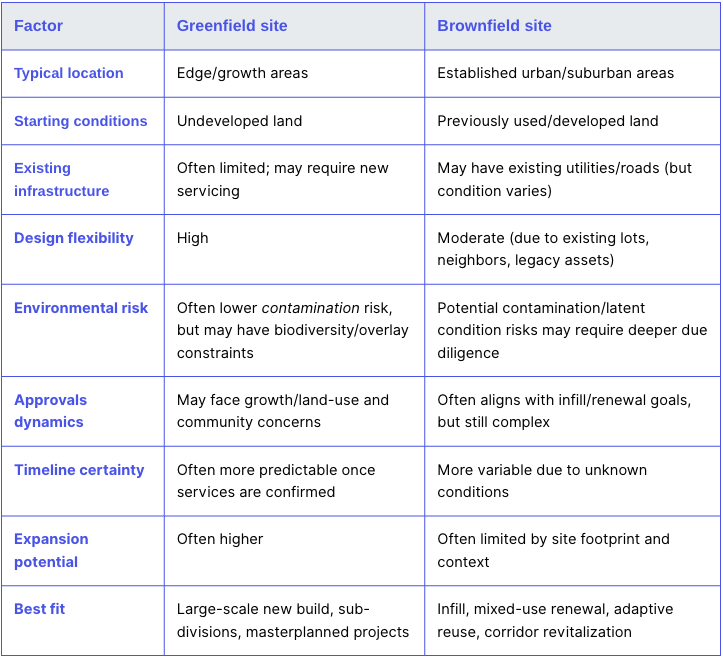
What is a Greenfield Site?
A greenfield site sits on land previously undeveloped for urban or industrial use. You can often find greenfields in regional corridors, on the edges of cities, or in other growth areas.
Greenfield sites tend to work best for cases such as masterplanned communities and home building where scale and staging are important. Developers who want more time certainty and projects where servicing is already planned or funded often prefer greenfields. Also, greenfield sites can benefit enterprises that need flexibility for layout, setbacks, logistics, and expansion room.
Choose greenfield sites for:
- Design freedom: fewer legacy constraints from existing buildings, utilities, and lot geometries
- A cleaner starting point: potentially fewer unknowns from demolition and remediation
- Room to scale: easier staging, logistics, and expansion planning
- Schedule reliability: often fewer surprises once confirming servicing and site constraints
Common greenfield risks
Greenfield projects aren’t automatically easier. They come with typical risks that impact budget and timeline, including:
- Servicing costs: extending roads, power, water, sewer, and stormwater
- Overlay constraints: flooding, bushfires/wildfires, slope/contours, wetlands, protected habitat
- Workforce access: commuting time, transport upgrades, logistics
- Community and planning: scrutiny around sprawl, loss of farmland/green space, and infrastructure burdens
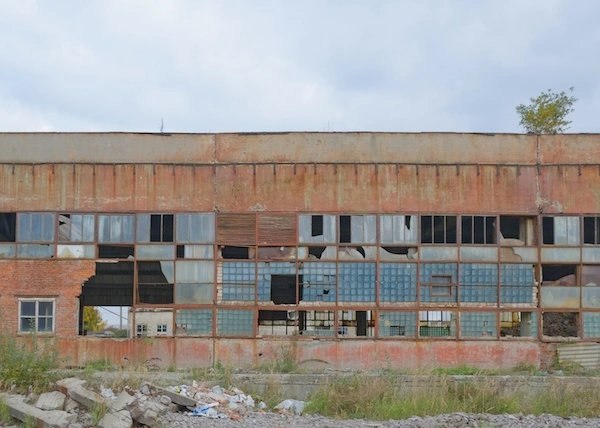
What is a Brownfield Site?
A brownfield site has been previously used—commonly a commercial or industrial site. Brownfield redevelopment of underused, vacant, or repositioned sites is often part of “infill” or urban renewal strategies.
Brownfields aren’t always contaminated, but the potential for contamination is part of the brownfield definition. For instance, the United States Environmental Protection Agency (EPA) brownfields definition says that brownfields “may be complicated by the presence or potential presence of a hazardous substance, pollutant, or contaminant.” And the Canadian definition specifies that a brownfield is a “property where past actions have resulted in actual or perceived contamination.”
As a result, developing brownfield properties appeals to projects of renewal and adaptive reuse. Developers prizing the location of a brownfield site and architects practicing innovative adaptive reuse of complex sites can unlock value for mixed-use, infill housing, and other projects. Brownfields also suit municipal planners looking to revitalize corridors, recover tax bases, and make efficient use of existing infrastructure.
Choose brownfield sites for:
- Location: closer to established demand, transit, and amenities
- Urban renewal: revitalization, densification, underperforming land reuse
- Existing infrastructure: utilities and roads may already be in place
- Policy alignment: many local governments incentivize brownfield reuse and cleanup
Common brownfield risks
- Unknown conditions: examples include contamination, buried tanks, undocumented fill, unstable soils
- Demolition and legacy assets: examples include asbestos, lead paint, structural issues
- Code and compliance: modern codes often require updates for older structures
- Staging: constrained sites can slow logistics and construction sequencing
Greenfield vs. Brownfield Differences that Change Project Cost, Approvals, and Timeline
1. Location and demand
Brownfields often benefit from existing demand and proximity to transit, schools, services, and jobs. Greenfields’ success can be more sensitive to their distance from population centers and existing infrastructure. However, they can still be good choices, especially for large-scale projects.
2. Infrastructure and servicing
Greenfields may require entirely new infrastructure networks or upgrades. Brownfields may already be connected to infrastructure, but you still need to confirm its capacity and condition. Additionally, your brownfield projects’ demand on infrastructure may be subject to compliance approvals.
3. Cost certainty vs. hidden costs
A greenfield site may need expensive servicing and/or new infrastructure upfront. However, once the project owner oversees mapping the constraints—typically with planning, surveying, or engineering consultants—a greenfield’s costs tend to be more predictable.
On the other hand, a brownfield may be less expensive upfront due to location and existing networks, but it will result in higher unknown costs after diligence is complete.
Here’s a simple, practical way to look at cost differences. Think about greenfield costs as “scope + infrastructure” and brownfield costs as “legacy conditions + uncertainty.”
4. Planning and approvals
Approvals depend greatly on the local jurisdiction’s rules. However, there are some planning basics that apply to the greenfield-vs.-brownfield decision.
Proposed greenfield developments may face stronger scrutiny around growth patterns and infrastructure burden. Municipalities may look favorably on brownfield developments if they align with infill/renewal goals. However, if that’s the case, brownfields may still require extensive technical documentation and careful stakeholder management.
5. Environmental impact and reputation
Organizations and the public may prefer brownfield redevelopment if it supports revitalization efforts and urban renewal, which reduces pressure on undeveloped land. Greenfield projects can still be responsible if they attend diligently to mobility, well-planned servicing, and environmental offsets.
If you’re shortlisting sites and want clarity on feasibility and constraints fast, request a demo of Archistar’s services to discover and secure the most compliant development opportunities.
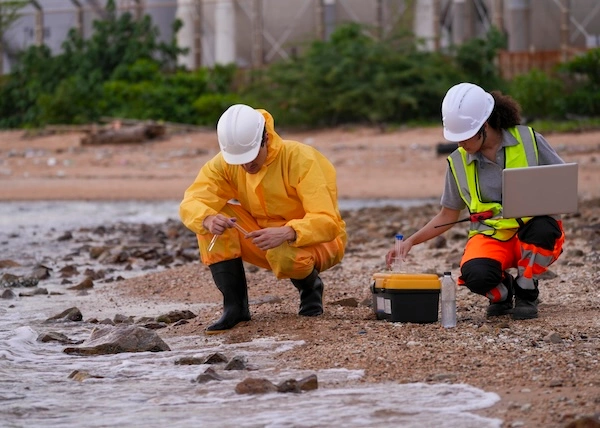
Brownfield Due Diligence Basics (US, Canada, Australia)
This information will get you started, but always consult your local building authority and use qualified local professionals when performing due diligence.
In the United States, Phase I Environmental Site Assessments are commonly performed under ASTM E1527‑21. The EPA’s All Appropriate Inquiries (AAI) rule provides standards and practices for evaluating a property’s environmental conditions.
Environmental site assessments in Canada commonly align with CSA standards: CSA Z768 (Phase I) and CSA Z769 (Phase II).
Australia uses the Assessment of Site Contamination National Environment Protection Measure (ASC NEPM).
A repeatable brownfield due diligence approach often includes:
- Site history and records review
- Site walkover and reconnaissance
- Environmental assessment
- Scope and contingency planning (remediation, demolition, legacy utilities)
- Stakeholder and approvals plan
Why Some Governments Encourage Brownfield Redevelopment
Many governments and municipalities promote brownfield redevelopment with incentives and/or grant funding because it can:
- make underutilized land productive again
- support renewal and infill goals
- clean up environmental damage
- bolster the tax base and community amenities
The United States EPA’s Brownfields Program provides direct support for certain “brownfield-related activities.”
In Canada, the Green Municipal Fund has resources for learning about brownfield development incentives. Opportunities may vary by province. Ontario, Canada, for example, has a brownfields financial tax incentive program (BFTIP), for providing tax assistance when cleaning up brownfield properties.
Greenfield vs. Brownfield Decision Checklist
Use this list to help you decide which sites deserve deeper due diligence.
Greenfields offer predictability and flexibility when:
- Servicing is already planned or can be delivered within your timeline
- Overlays such as slope, flood, and environmental constraints are manageable
- You want a clean layout for staging, logistics, or standardized building components
- You prefer design freedom over an established location
Brownfields offer location and renewal value when:
- The location may materially improve demand or rent and sale outcomes
- Existing infrastructure will verifiably reduce servicing time and/or cost
- You have risk tolerance and a plan for contingencies and latent conditions
- The project aligns with policies on community revitalization
10 quick questions to pressure-test a site
- How was the site used for the last 50 years?
- Is contamination likely based on historic use (fuel, heavy industrial, chemical use)?
- Are utilities at the boundary—and do they have capacity?
- Are there known overlays, such as flood, slope, and hazard interfaces?
- What demolition is required and what hazardous materials may exist?
- What’s the approval pathway and stakeholder complexity?
- Do you have a realistic contingency allowance?
- How constrained is staging and access?
- What is your “walk-away” threshold if diligence uncovers issues?
- How does this site affect your reputation and community outcomes?
If you’re comparing multiple candidate sites, you can find plenty of information. You may well find much more information than you can process into decisions as fast as you’d like. Teams can evaluate sites faster with digital tools like AI PreCheck. You can instantly assess site feasibility to reduce early uncertainty and speed up shortlisting.
Frequently Asked Questions (FAQs) About Greenfield vs. Brownfield
Are brownfield sites always contaminated?
Brownfield sites—usually previously used or developed land—are not always contaminated. In the United States for example, brownfields are sites where redevelopment may be complicated by actual or potential contamination. However, some brownfields have minimal or manageable risk once assessed.
Is brownfield redevelopment cheaper than greenfield development?
Brownfields may reduce costs through proximity to existing infrastructure, but they also may add costs for investigation, remediation, demolition, and so on. Greenfields may require substantial servicing and infrastructure work, but they may offer higher cost certainty.
What’s included in a Phase I Environmental Site Assessment?
Generally, Phase I ESAs focus on records review, site reconnaissance, interviews, and reporting to identify potential environmental concerns. In the United States, ASTM E1527‑21 is a widely used standard, and it’s referenced in EPA’s AAI rule context.
How long does brownfield remediation take?
Brownfield remediation timelines vary based on contamination type, scope, remediation strategy, agency review, and construction sequencing. Manage timeline risk by planning diligence early and building a realistic contingency. Follow a decision gate before making major commitments.
Why do cities encourage brownfield redevelopment?
Brownfield development can clean up legacy sites, support infill and renewal goals, make better use of existing infrastructure, and bring underutilized areas back into productive use. Many jurisdictions support this through funding, incentives, or program guidance.
What’s the difference between brownfield and infill development?
“Infill” refers to developing in an urban area, often on small or underused lots. A brownfield site can be an infill site, but not all infills are brownfields.
What are common hidden costs for greenfield sites?
Typical hidden greenfield costs include infrastructure extensions/upgrades, stormwater solutions, earthworks on sloping sites, access roads, and constraints tied to protected areas or overlays. Mitigate these by mapping constraints early, before the design goes too far.
How do we shortlist sites faster without missing risk?
Use a repeatable framework: Compare constraints, verify servicing assumptions, and understand approvals pathways. Then escalate diligence only for top candidates. Digital tools that centralize site intelligence and feasibility checks can help teams move faster with more confidence.
References/Further Reading
- United States: EPA brownfield definition and contamination framing
- United States: EPA brownfields grants & funding pages
- United States: Federal Register: EPA rule update referencing ASTM E1527‑21
- United States: ASTM E1527‑21 standard page
- United States: eCFR: 40 CFR Part 312
- Canada: CSA Z768 (Phase I) and CSA Z769 (Phase II) listings
- Canada: Promoting brownfield programs and opportunities in Canada (GMF)
- Canada: Ontario brownfields financial tax incentive program
- Australia: ASC NEPM overview and state fact sheet
- Archistar demo page
This article is revised and updated from its original version published in March, 2022.